wellness
Temperature, Light and Noise Shape Sleep Quality for West Residents
Urban factors in the Riverside District and along Elm Street are prompting new local programs to improve rest through better control of bedroom conditions.
How we reported this
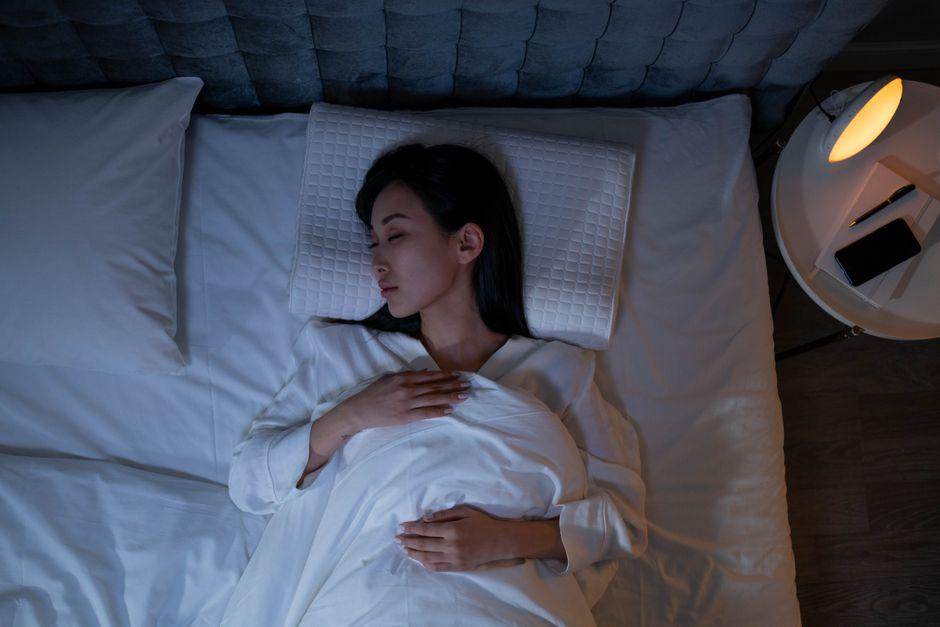
Residents along Elm Street in the Riverside District reported average bedroom temperatures of 74 degrees Fahrenheit last month, a level that disrupts deep sleep cycles according to local health trackers.
July data from the West Health Department shows that warmer nights combined with streetlight glare and traffic hum have pushed more people to seek adjustments, as the city’s wellness programs expand after the June heat wave. The issue ties directly to daily routines in an area where many commute from the West End to downtown offices and return to homes without full shading.
Local Programs Target Bedroom Conditions
The West Wellness Hub on Oak Street launched its Quiet Sleep Initiative in May, offering free noise meter checks for homes within two blocks of Main Avenue. Nearby, the Riverside Clinic at Pine Avenue and Third Street runs a monthly workshop on light-blocking solutions, with sessions scheduled for July 15 and August 12 that include demonstrations of blackout shades priced at $42 per window.
Both sites draw from the city’s active wellness network, which logged 1,200 participants in temperature and sound audits during the first half of 2026.
Evidence Points to Clear Adjustments
A 2025 report from the Sleep Research Society found that keeping rooms between 60 and 67 degrees Fahrenheit improves sleep efficiency by 24 percent, while noise above 40 decibels cuts restorative stages by a similar margin. West residents can apply this by setting thermostats 30 minutes before bed and using white-noise machines calibrated below that threshold.
Start tonight by measuring your current setup with a basic app, then test one change such as heavier curtains or a cooler setting and track results over the next week.