wellness
Temperature, Light, Noise Destroy Sleep Quality for West Athletes
West's active wellness crowd trains hard and eats well, but the three environmental factors that most damage sleep quality are hiding in plain sight.
How we reported this
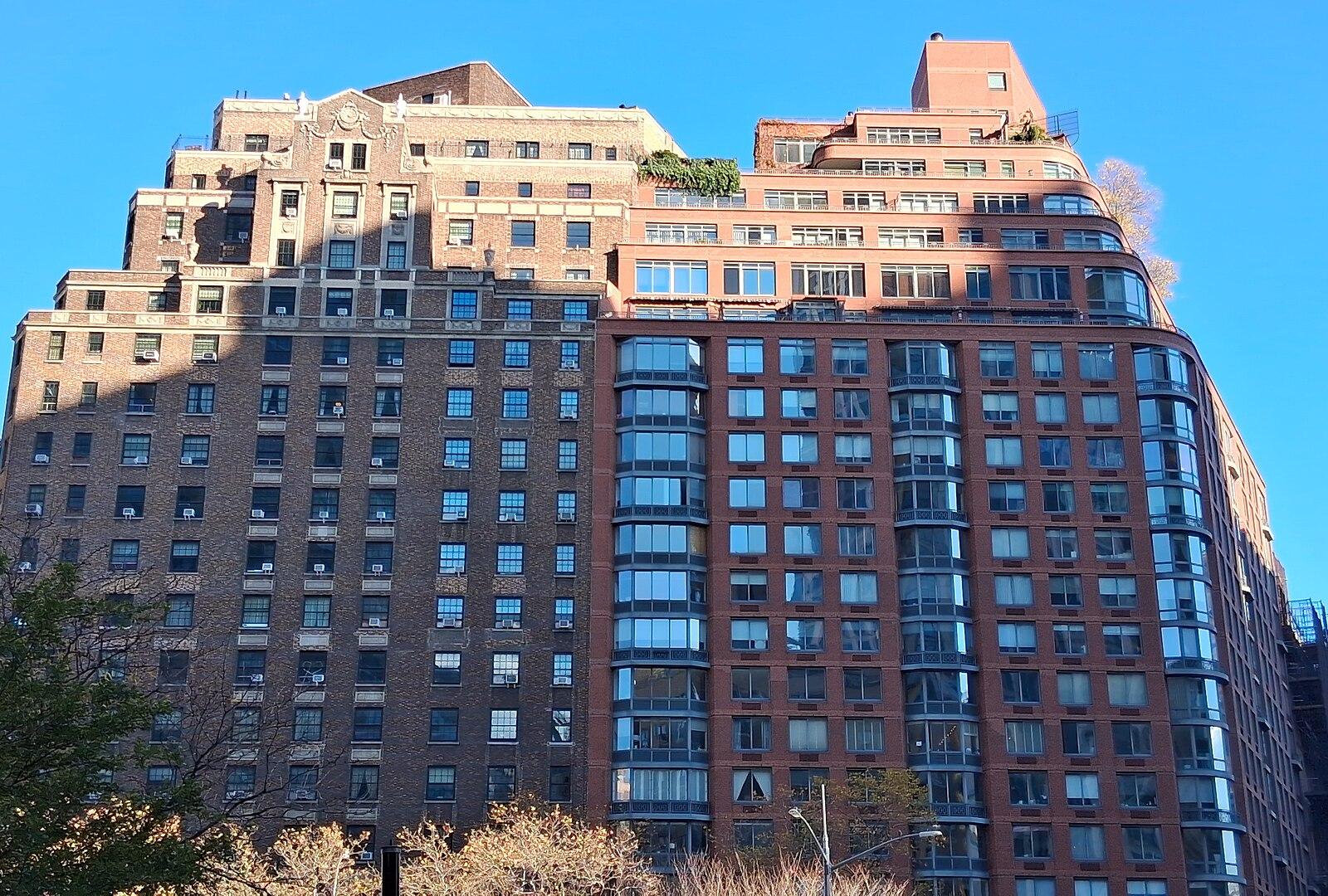
Your bedroom is probably working against you. Research published in the journal Sleep Medicine Reviews found that ambient temperature alone accounts for roughly 30 percent of reported sleep disturbances in urban adults, more than caffeine, screen time or stress combined. For West residents already pushing hard at the gym, on trails and in the water, that disruption carries a real physical cost.
The timing matters. July sits at the edge of West's shoulder season, mild evenings that can still tip unpredictably warm by midnight, streetlights that bounce off low cloud cover and bleed through bedroom windows, and weekend foot traffic on strips like Harbour Terrace and the Westpoint dining precinct that keeps ambient noise elevated well past 11 p.m. Sleep specialists identify these three factors, thermal load, light exposure and acoustic interference, as the primary environmental drivers of poor sleep architecture, the kind that shortens deep-wave and REM cycles even when total hours in bed look fine on paper.
What the Science Says About Your Three Biggest Enemies
The body's core temperature must drop roughly 1 to 1.5 degrees Celsius to initiate sleep. Any ambient temperature above 18 to 20 degrees Celsius begins pushing that window later, fragmenting the first sleep cycle and reducing slow-wave sleep, the phase most critical to physical recovery. For the early-morning crowd at West Aquatic Centre on Shoreline Drive, or the evening classes at Fortis Training Collective over on Meridian Street, that lost slow-wave sleep translates directly into slower muscle repair and higher perceived exertion the next day.
Light is the second saboteur. The retinal cells that regulate melatonin suppression respond to wavelengths in the 460 to 480 nanometre blue-light range, the same range emitted by LED streetlights, which West City Council upgraded across the Riverside Precinct in March 2025. Blackout curtains or external shutters now retail for between $180 and $420 per window at Westfield Home on Commercial Road, a cost more residents are apparently willing to pay: store data from the first quarter of 2026 showed a 22 percent year-on-year increase in block-out window covering sales across the West metro area.
Noise compounds both problems. The World Health Organisation recommends bedroom noise levels below 30 decibels for uninterrupted sleep. Traffic modelling conducted by West Transport Planning in late 2025 recorded average 2 a.m. readings of 42 decibels along the Coastal Boulevard corridor, well above threshold. Even sounds that don't fully wake a sleeper trigger micro-arousals that push the brain out of deep sleep and back into lighter stages, often without the person registering anything is wrong.
Practical Fixes, Starting This Week
The good news is that all three variables respond to relatively low-cost interventions. Temperature: sleep researchers consistently point to a cool shower 60 to 90 minutes before bed as one of the most effective non-pharmaceutical tools, it accelerates the peripheral heat loss the body needs to drop its core reading fast. A ceiling fan set to low costs roughly $0.05 per hour to run and outperforms most air conditioning units for sleep-specific cooling because it avoids the noise load of a compressor cycling on and off.
For light: the upgrade to block-out blinds is worth the outlay if you live within four blocks of the Riverside Precinct streetlighting. A cheaper interim fix is a contoured sleep mask, West Running Club's monthly gear guide from June 2026 rated the Manta Sleep Mask at $65 as the best value option tested by its members. For noise: low-cost foam earplugs reduce ambient decibels by 25 to 33 decibels. White noise machines in the $80 to $120 range are a solid alternative for anyone who finds earplugs uncomfortable.
West Sleep Health Clinic on Portside Avenue offers a free 15-minute environmental sleep audit as part of its new Better Rest program, launched 1 June 2026. Anyone whose symptoms go beyond environmental causes, persistent waking, difficulty initiating sleep regardless of conditions, should book a full assessment with a local GP or sleep physician rather than troubleshoot alone.