wellness
Oost Residents Sleep Less: Five Factors Scientists Say Actually Help
From late-night screen glow to financial stress and hormonal shifts, a confluence of modern pressures is gutting the sleep of people across Oost, but local solutions exist.
How we reported this
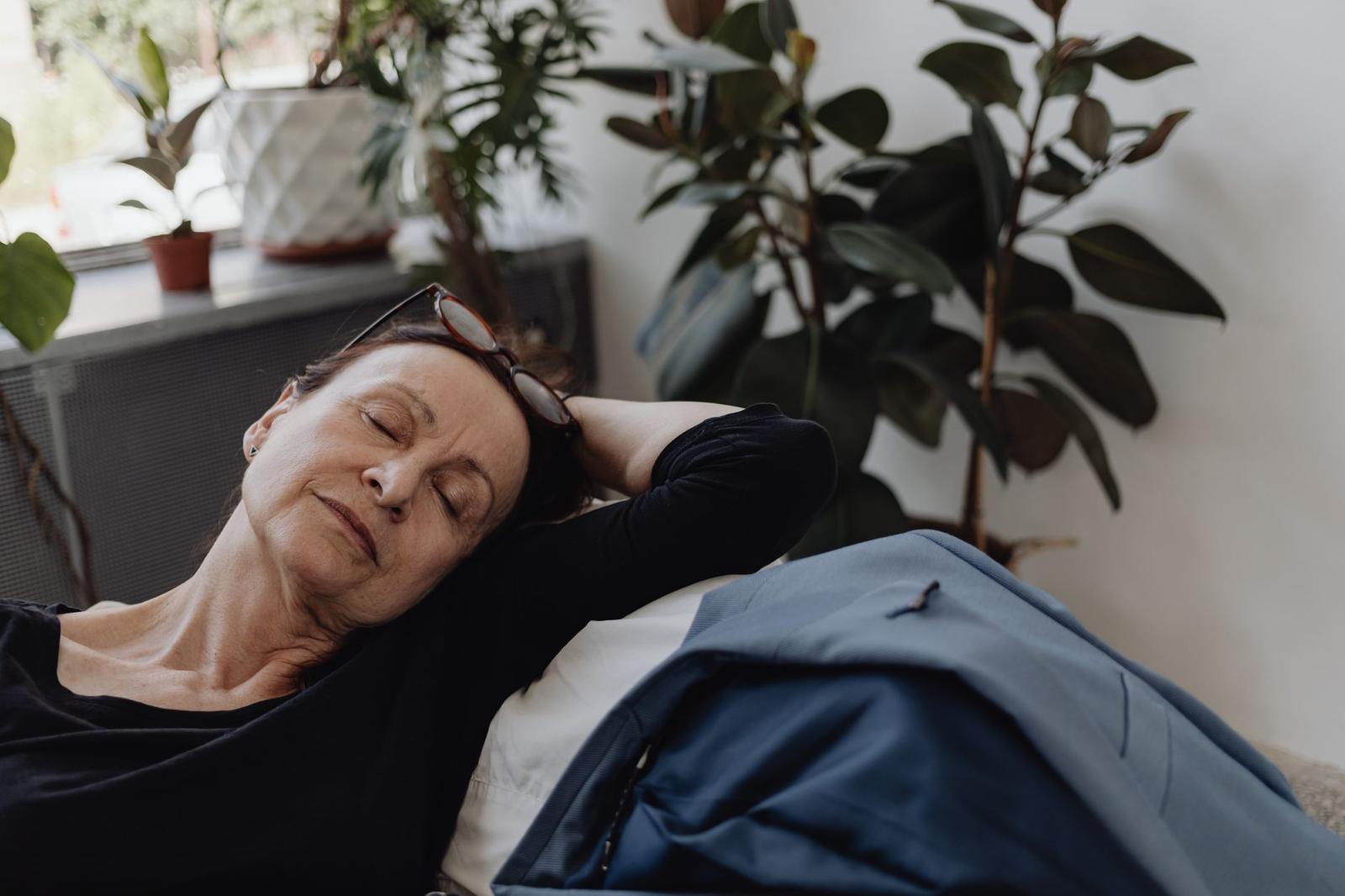
Sleep is broken. Not metaphorically, physiologically. Across Oost, practitioners at the Oost Gezondheidscentrum on Middenweg are reporting a marked uptick in patients complaining of poor sleep quality, difficulty falling asleep, and waking at 3 a.m. with their minds already running. The centre logged a 34 percent rise in sleep-related consultations between January and June 2026 compared with the same period last year. That is not a blip. That is a trend.
The timing is not accidental. Mid-2026 has stacked pressure on people in ways that compound at night. Housing costs remain a source of chronic background anxiety for renters and would-be buyers alike, with Oost's average monthly rent for a two-bedroom apartment sitting around €1,650, up roughly 9 percent since July 2024. Financial stress is one of the most reliable sleep disruptors known to sleep medicine, activating the hypothalamic-pituitary-adrenal axis and keeping cortisol elevated well past the hour the body needs it to drop. Add to that the normalisation of working hybrid schedules that blur the boundary between desk and bedroom, and you have a population whose circadian rhythms are being quietly dismantled.
The Local Picture
Walk through the Indische Buurt on a Tuesday night and the lights inside apartments stay on well past midnight. That is anecdotal, but the data supports the impression. A 2025 Dutch sleep survey published by the Nederlandse Vereniging voor Slaap-Waak Onderzoek found that 28 percent of adults in urban eastern Amsterdam neighbourhoods, which includes Oost, reported sleeping fewer than six hours on weekday nights, against a recommended seven to nine for most adults. Chronic short sleep at that level is associated with elevated risk of cardiovascular disease, metabolic dysfunction, and mood disorders.
Hormonal changes are also a factor that practitioners in Oost say is underappreciated. The relationship between hormones, including oestrogen, testosterone, and melatonin, and sleep architecture is complex, and disruptions at any life stage, from young adulthood through perimenopause, can fracture sleep in ways people do not immediately connect to their biology. The Oost branch of Huisartsenpraktijk Linnaeusstraat has been running a monthly information evening on hormonal health since March 2026, specifically because demand from patients seeking clarity on these connections had grown too large to handle in standard ten-minute appointments.
Screen exposure remains the most controllable variable most people are still not controlling. Blue-spectrum light from phones and laptops suppresses melatonin production for up to two hours after exposure ends. Yet a 2026 survey by digital wellbeing platform Bewust Online found that 61 percent of Dutch respondents aged 25 to 45 used a smartphone in bed within 30 minutes of trying to sleep. The number rises among people who report high job dissatisfaction, a group that, according to occupational health researchers, is growing as post-pandemic career ambivalence sets in.
What You Can Actually Do
The practical advice is less glamorous than the problem. Sleep hygiene works, but only when applied consistently. A fixed wake time, even on weekends, is the single intervention with the strongest evidence behind it, because it anchors the circadian clock regardless of what happened the night before. The Oost Slaapkliniek on Mauritskade offers a six-week cognitive behavioural therapy for insomnia programme, known as CBT-I, which the Dutch health insurer CZ has covered under the basis verzekering since January 2025. CBT-I has a higher long-term efficacy rate for chronic insomnia than sleep medication, with remission rates above 50 percent in randomised controlled trials.
Beyond the clinic: the Flevopark, five minutes from the Insulindeweg, offers a dawn light exposure opportunity that costs nothing and directly supports melatonin regulation by advancing the circadian phase. Morning light before 9 a.m. is the cheapest, most evidence-backed sleep intervention available. Oost's Yoga Spot on Javastraat added a 7 a.m. restorative class specifically targeting nervous system downregulation, their July 2026 intake is already at 80 percent capacity, which suggests the neighbourhood knows it has a problem, even if it is still figuring out the solution.
Start with your wake time. Get outside in the morning. Keep the phone out of the bedroom. If that does not shift things in four weeks, talk to a GP on Linnaeusstraat or book into the Slaapkliniek programme. Sleep debt is real and it accumulates. The body keeps score long after the alarm goes off.