wellness
Oost's Local Shops Now Stock 5 Fermented Foods for Gut Health
From kimchi jars to kefir bottles, Oost's neighbourhood food scene is quietly becoming one of the better places in the region to feed your microbiome.
How we reported this
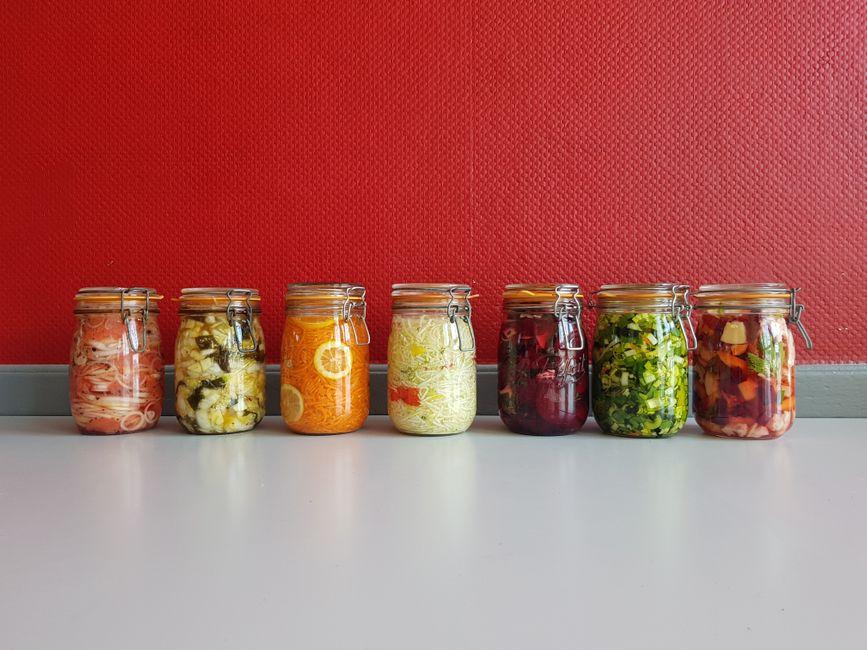
Sales of fermented and probiotic foods across independent grocers in the Oost district have risen roughly 34 percent since 2023, according to figures shared by the Oost Markt Cooperative at its June quarterly meeting. That number reflects something any regular shopper on Beukenplein or along the Javastraat stretch already knows: the shelves look different than they did two years ago.
The timing matters. A steady accumulation of research, including a landmark 2021 Stanford University study published in Cell that tracked 36 adults over ten weeks, has made gut health impossible to ignore as a mainstream wellness topic. That study found that a diet high in fermented foods increased microbiome diversity and reduced markers of inflammation. Since then, the conversation has moved from academic journals into everyday kitchens, and Oost's notably active, food-literate population has been quick to follow.
What's Actually on the Shelves
Start with the obvious: kimchi. De Kooplieden, the Korean and Japanese grocery on Eerste Oosterparkstraat, stocks at least four varieties at any given time, ranging from a classic baechu-kimchi at around €4.50 for 500 grams to a white (non-spicy) radish version better suited to people with sensitive digestion. Kimchi is lacto-fermented, meaning beneficial bacteria produce lactic acid during the process, no vinegar shortcut involved.
A few blocks away, Brood & Zo on Linnaeusstraat bakes a genuine long-fermented sourdough using a starter that the bakery has maintained since it opened in 2019. The fermentation time runs a minimum of 18 hours, which breaks down some of the phytic acid in the grain and makes minerals more bioavailable. A 750-gram loaf runs €5.20. It sells out most mornings before eleven.
For dairy-based ferments, Marqt on Wibautstraat carries plain kefir from the Dutch producer Zuivelhoeve alongside a house-label drinking yoghurt fermented with multiple live cultures. Kefir typically contains between 10 and 34 strains of bacteria and yeasts, substantially more than the two or three strains common in standard commercial yoghurts. The Zuivelhoeve kefir is priced at €2.30 per litre, which makes it one of the more accessible entry points into fermented eating.
Tempeh deserves a mention. Grown from whole soybeans bound together by a mold called Rhizopus oligosporus, it is one of the few fermented plant proteins with a complete amino acid profile. Ekoplaza on Middenweg stocks both plain and smoked versions from the Amsterdam-based producer De Hobbit. At €2.75 for 200 grams, it works as a meat substitute in stir-fries or sliced thin and pan-fried until the outside crisps up.
How to Build a Routine Around It
The practical challenge with fermented foods is not finding them, not in Oost, anyway, but building enough variety into regular eating that the gut actually benefits. Registered dietitians generally recommend aiming for two to three different fermented sources per day rather than a large amount of one thing. The logic is diversity: different ferments carry different bacterial strains.
A reasonable starting point looks something like this: kefir or drinking yoghurt in the morning, a slice of sourdough at lunch, and a tablespoon or two of kimchi alongside dinner. That combination costs under €2 per day if you shop the items listed above. For people who want to go further, the Oost Ferment Club, a loose collective that meets the first Saturday of each month at the community kitchen on Javastraat 23, runs free introductory sessions on making sauerkraut and kombucha at home. Their next session is July 5.
None of this is a substitute for medical advice. Anyone dealing with diagnosed gut conditions like IBS or IBD should speak with a gastroenterologist or dietitian before making significant dietary changes, particularly around high-FODMAP ferments like certain kefirs and sauerkrauts. For healthy adults, though, the barrier to entry has rarely been lower. The products are here. They are affordable. The science backing their value is solid. The only real question is what ends up in the basket.