wellness
Nieuw West Residents Reveal Budget-Friendly Nutrition Strategies Using Local Markets
As cost-of-living pressures mount, residents are finding practical ways to eat nutritiously without breaking the bank-and the neighbourhood's markets and community programs are leading the way.
How we reported this
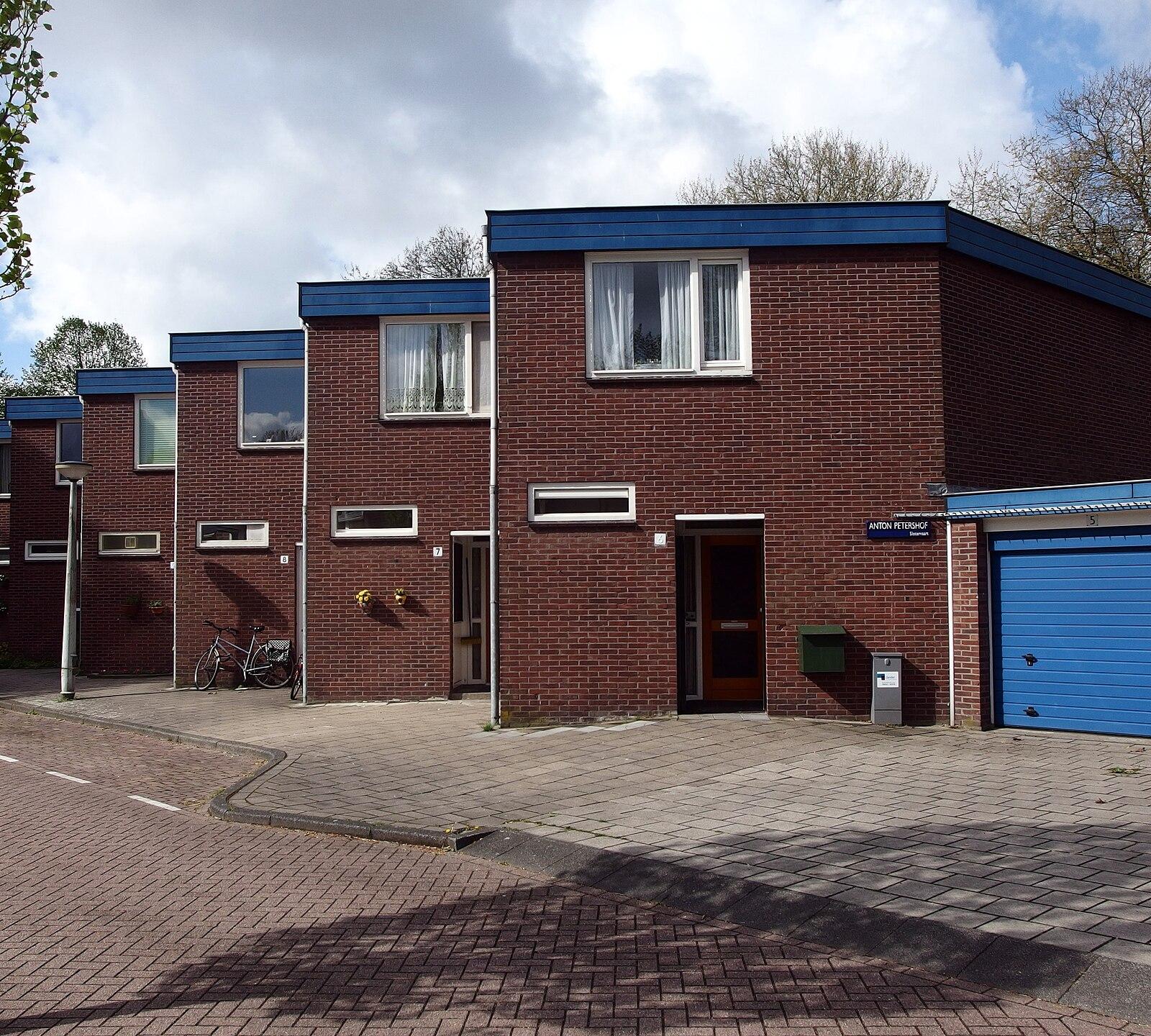
Grocery bills in Nieuw West have climbed 12 percent over the past eighteen months, squeezing household food budgets across the neighbourhood. Yet residents aren't sacrificing nutrition-they're getting smarter about where and how they shop, leaning on seasonal produce, bulk buying, and the neighbourhood's robust network of community markets and food cooperatives.
The squeeze is real. A basket of staples that cost €45 two years ago now runs €50.40. For families already managing tight margins, that's the difference between eating well and cutting corners. But interviews with local shoppers, market vendors, and community food programs reveal that Nieuw West's density of affordable fresh-food options-and its culture of cost-conscious eating-gives residents an edge.
Markets and bulk shops leading the way
The Albert Cuyp Market, running along Albert Cuyp Street, remains a cornerstone for budget-conscious shoppers. Vendors there sell seasonal vegetables at roughly 20 percent below supermarket prices; a kilogram of carrots averages €0.79, compared to €1.09 at large chains. The market operates daily except Sundays, and the competition between stallholders keeps prices sharp. End-of-day bargains-often marked 30 to 40 percent down in the final hour-are a known tactic among locals who time their visits strategically.
The Nieuw West Food Cooperative, based near Jan van Galenstraat, has grown its membership to over 3,200 households since launching in 2019. Members buy directly from producers, eliminating middlemen markups. A basket of organic vegetables that costs €28 through the coop runs €36 at conventional retailers. The coop also runs bulk-buying schemes for rice, lentils, and grains, where a 5-kilogram sack of brown rice costs €6.50-roughly half the per-kilogram price of packaged supermarket equivalents.
Budget supermarkets like Plus and Lidl have reinforced their presence along Kinkerstraat and near the Foodhallen food hall on Kinkerstraat, offering their own-brand staples at aggressive margins. A litre of milk runs €0.89; a dozen eggs, €1.59.
Community programs filling the gap
The Nieuw West Neighbourhood Centre, funded by the city council, runs a free nutrition workshop series every Thursday evening. Sessions focus on meal planning, seasonal eating, and stretching proteins-dried beans and lentils feature prominently. Attendance has doubled since January 2026, suggesting rising community interest in practical cost-saving strategies.
The centre also coordinates a surplus-food redistribution program with restaurants and markets across the neighbourhood. Every Tuesday and Friday, volunteers collect unsold but perfectly edible produce and distribute it to residents earning below 120 percent of the local median income. Since expanding to three collection points in February, the program has distributed over 8 tonnes of fresh vegetables and fruit.
Real numbers matter here. A household of four can eat well for €120 per week in Nieuw West if they shop strategically: buying seasonal produce (courgettes and peppers in summer, root vegetables in winter), choosing eggs and dried legumes as protein, and avoiding pre-packaged meals. That's roughly €4.30 per person per day-tight, but workable.
The neighbourhood's food culture-shaped by its density and diversity-also works in residents' favour. Turkish greengrocers on Foodhallen Street sell bulk dried fruit, nuts, and grains at prices that undercut chain retailers by 15 to 25 percent. Indian and Pakistani shops along nearby streets offer bulk spices, rice, and lentils at fractions of the cost of supermarket versions. These aren't boutique offerings; they're everyday shopping for the neighbourhood's communities, and anyone can walk in.
For residents managing tight finances, the lesson from Nieuw West is straightforward: proximity, seasonality, and community infrastructure beat convenience pricing every time. The neighbourhood's markets aren't just cheaper-they're part of a working ecosystem that makes good nutrition accessible without premium spending. That edge matters as economic headwinds tighten across the region.