wellness
Smart Eating in De Pijp: A Practical Guide to Healthier Nutrition
How to build a balanced diet with whole grains, more veg, and less sugar using everyday tips from global health authorities.
How we reported this
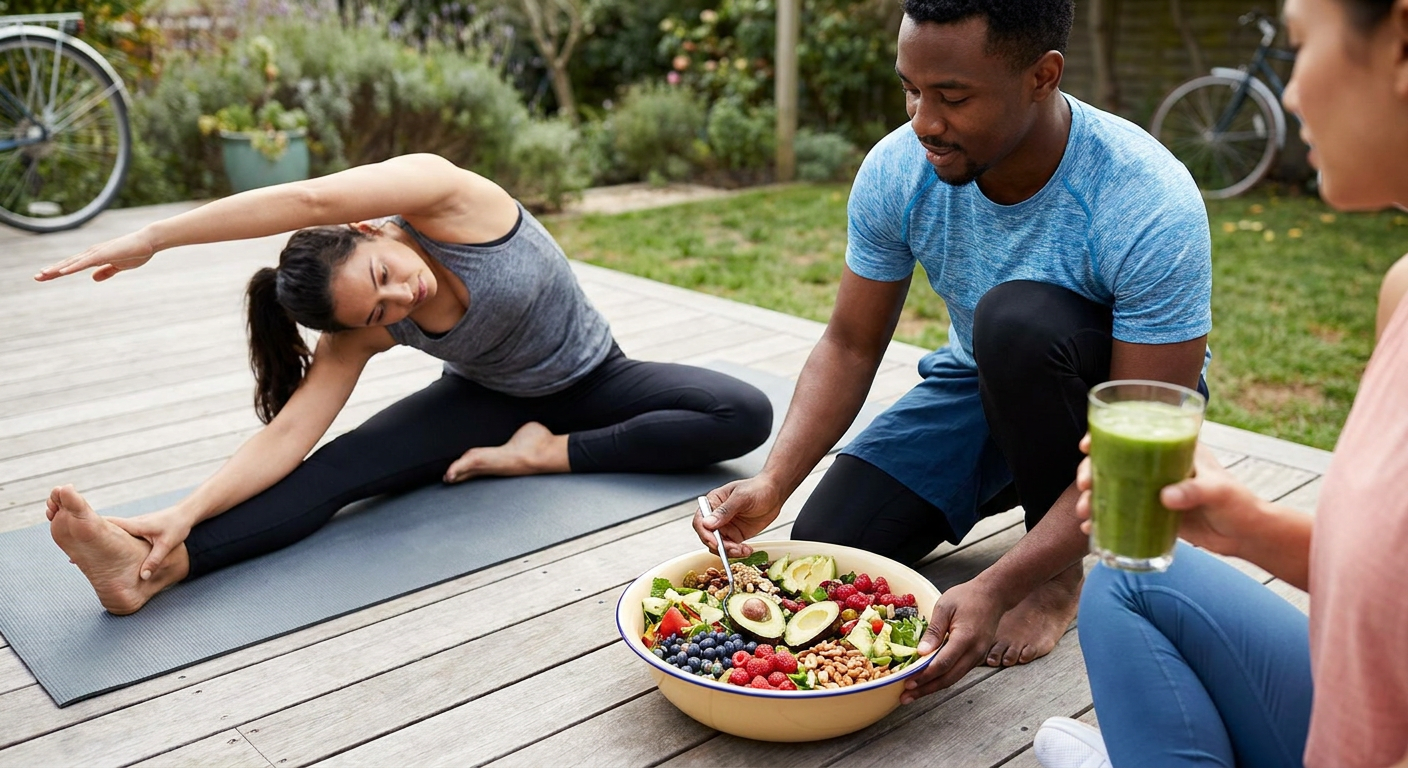
Eating well doesn't have to be complicated or expensive. According to global health guidelines, the foundation of a healthy diet is simple: eat at least 400 grams, about five portions, of a variety of fruits and vegetables each day, and aim for these to make up half of every meal. That advice comes from the World Health Organization and is echoed by national health bodies like the NHS.
Fill Half Your Plate with Produce
The core message is consistent: prioritise nutrient-dense, minimally processed foods. That means loading up on vegetables, fruits, legumes, nuts and whole grains while cutting back on refined grains, added sugars and unhealthy fats. The WHO recommends limiting free sugars, the kind added to foods and drinks, to less than 10 percent of your total energy intake, and ideally under 5 percent. Salt should be kept below 5 grams per day, roughly a teaspoon.
For De Pijp residents, this translates to easy swaps: choose brown rice or quinoa over white rice; snack on a handful of almonds or an apple instead of a packaged bar; and season meals with herbs and spices rather than salt. Replacing saturated and trans fats with polyunsaturated fats from sources like fish, avocado, nuts, olive oil or canola oil is another key step supported by the WHO.
Whole Grains and Fiber First
Adults should aim for at least 25 grams of dietary fibre daily, according to the same guidelines. Whole grains such as oats, barley, whole-wheat bread and quinoa are excellent sources. In De Pijp, you can find these at local markets or supermarkets without much effort, just check labels and opt for products where whole grains appear first on the ingredient list.
Drinking water as your main beverage instead of sugary sodas or fruit juices can make a significant difference. The American Heart Association and other sources stress that cutting liquid sugar is one of the fastest ways to reduce empty calories.
Practical Daily Tips
Start small: add a side salad to lunch, replace one soda a day with sparkling water, and swap white bread for whole-wheat at breakfast. Over time, these changes add up. As the Mayo Clinic and HelpGuide note, focusing on whole foods and limiting ultra-processed items is the most sustainable path to better health.
If you are looking for more personalised advice, consult your GP or a registered dietitian. The information here is based on authoritative public health sources, the WHO, the NHS, and the Heart Association, and is meant as a general guide, not medical advice.