wellness
Sleep Scientists Reveal Why Pre-Sleep Routines Beat All Supplements
Researchers say a consistent pre-sleep ritual is more effective than any supplement, and De Pijp's wellness scene is quietly catching up.
How we reported this
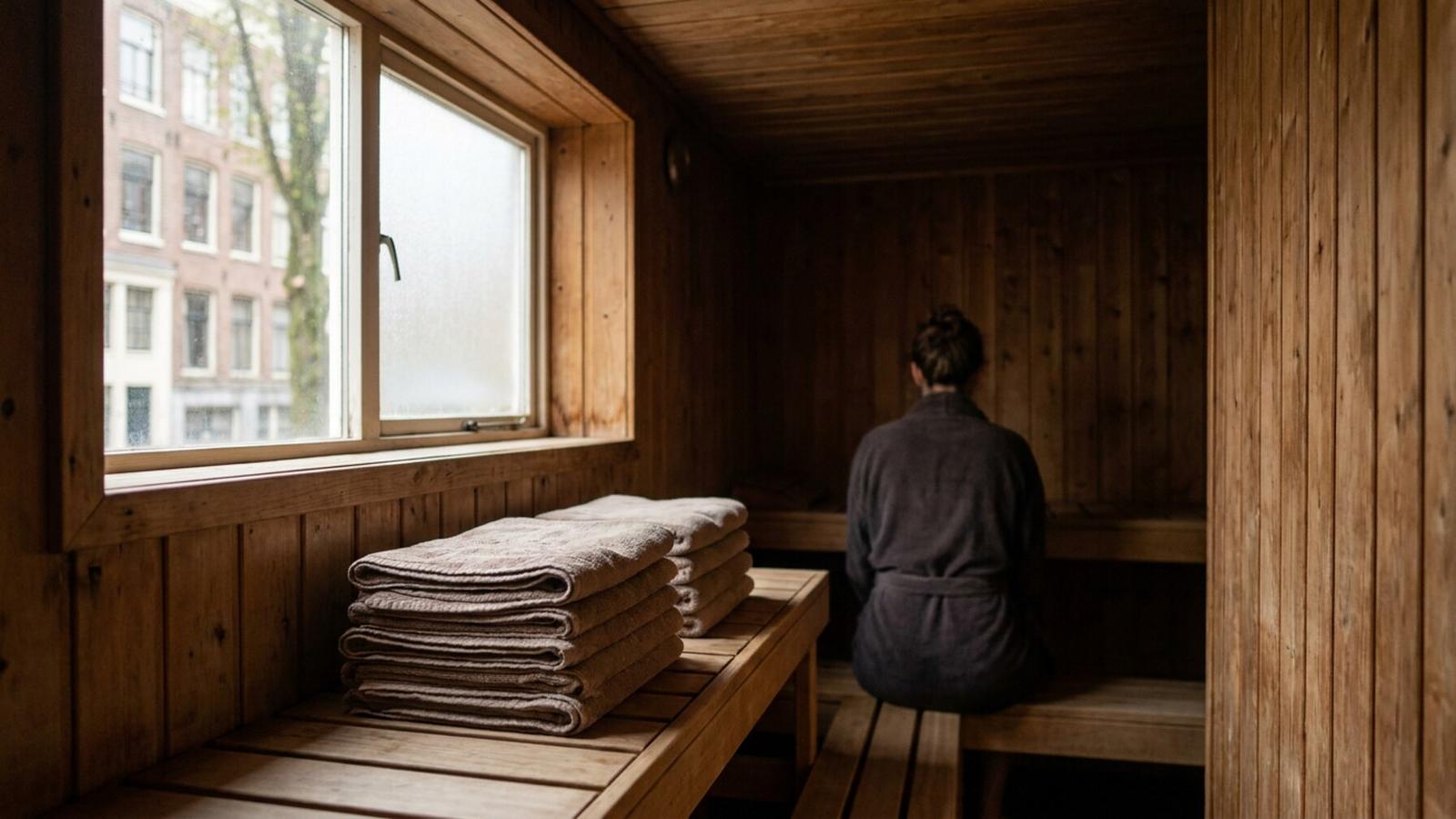
Sleep scientists have a blunt message for anyone reaching for melatonin at 11 p.m.: the pill is not the problem-solver you think it is. The evidence, consolidated in a 2024 meta-analysis published in Sleep Medicine Reviews, points overwhelmingly to behavioural routines, not hormones, not gadgets, as the most reliable way to cut the time it takes to fall asleep and improve overall sleep quality. That finding is more relevant than ever as interest in hormone-based sleep aids surges across Europe and wider conversations about HRT, testosterone and melatonin have moved into mainstream health media this summer.
Why does this matter right now, in early July 2026? Longer daylight hours in Amsterdam push sunset past 10 p.m., and the neighbourhood's famously sociable café terraces keep the Ceintuurbaan busy well into the night. Sleep researchers at Amsterdam UMC have noted for several years that urban populations in Northern Europe show measurable sleep-onset delays of 45 to 60 minutes during the months of June and July compared with winter averages. That chronic mild sleep deprivation accumulates fast. Six nights of sleeping 90 minutes less than your body needs produces cognitive impairment roughly equivalent to 24 hours of total sleep deprivation, according to University of Pennsylvania research from 2003 that has since been replicated multiple times.
What the Science Actually Says to Do
The core recommendation from sleep medicine specialists is a wind-down window of 60 to 90 minutes before your target sleep time, not scrolling, not a thriller on Netflix, not a work Slack channel. The physiology is straightforward: core body temperature needs to drop by roughly 1°C for sleep onset to begin, and that process is inhibited by blue-spectrum screen light, alcohol consumed within three hours of bed, and psychological arousal from emotionally loaded content. Warm baths or showers taken 90 minutes before sleep actually accelerate the temperature drop, the body overcorrects after the heat exposure.
Cognitive shuffle, a technique developed by Canadian cognitive scientist Luc Beaulieu and popularised after 2022, asks the user to visualise a random sequence of unrelated images, a pineapple, a tugboat, a red sock, to interrupt the ruminative thinking that delays sleep. It sounds absurd. In a small 2023 trial at Simon Fraser University involving 154 participants, those who practised it fell asleep an average of 3.7 minutes faster than a control group. Not a revolution, but consistent with the broader principle: distract the analytical brain, let the body do its job.
Finding Your Routine in De Pijp
The neighbourhood offers genuine, practical infrastructure for anyone trying to build better evening habits. Yoga & Zo on the Gerard Doustraat runs a dedicated restorative yoga class on Tuesday and Thursday evenings at 7:30 p.m., finishing well within the window that sleep researchers recommend for moderate physical activity (no vigorous exercise after 9 p.m.). Drop-in rates are €18, with a ten-class strip available for €155. Several participants report using the 20-minute cycle home from class as a natural decompression period before a warm shower and bed.
For those who prefer something quieter, De Pijp's neighbourhood library on the Rustenburgerstraat stocks a dedicated wellbeing section that includes Dutch-language editions of Matthew Walker's Why We Sleep and Arianna Huffington's The Sleep Revolution, both worth a read even if you know the broad outlines. The library also partnered with the Sarphatipark Neighbourhood Association in spring 2026 to run a six-week sleep literacy workshop series; the next cohort is scheduled to begin in September.
The practical closing advice is deliberately unglamorous. Pick a consistent bedtime and a consistent wake time, seven days a week, including weekends. Dim the overhead lights in your apartment by 9 p.m. and switch to a lamp. Take that shower. Put your phone in a different room. If you wake at 3 a.m. and cannot sleep, leave the bed, sit somewhere quiet for 20 minutes, and return only when drowsy. None of it costs anything. None of it requires a prescription. Sleep specialists will tell you that is precisely the point. Consult your local huisarts if you suspect a clinical sleep disorder, these lifestyle steps address ordinary, preventable sleep disruption, not medical conditions requiring diagnosis.