wellness
Your brain on mindfulness: the neuroscience De Pijp's meditation community already suspected
New research confirms what regular meditators have long believed: sitting still for 20 minutes a day physically reshapes the brain.
Listen in English · 5 min
How we reported this
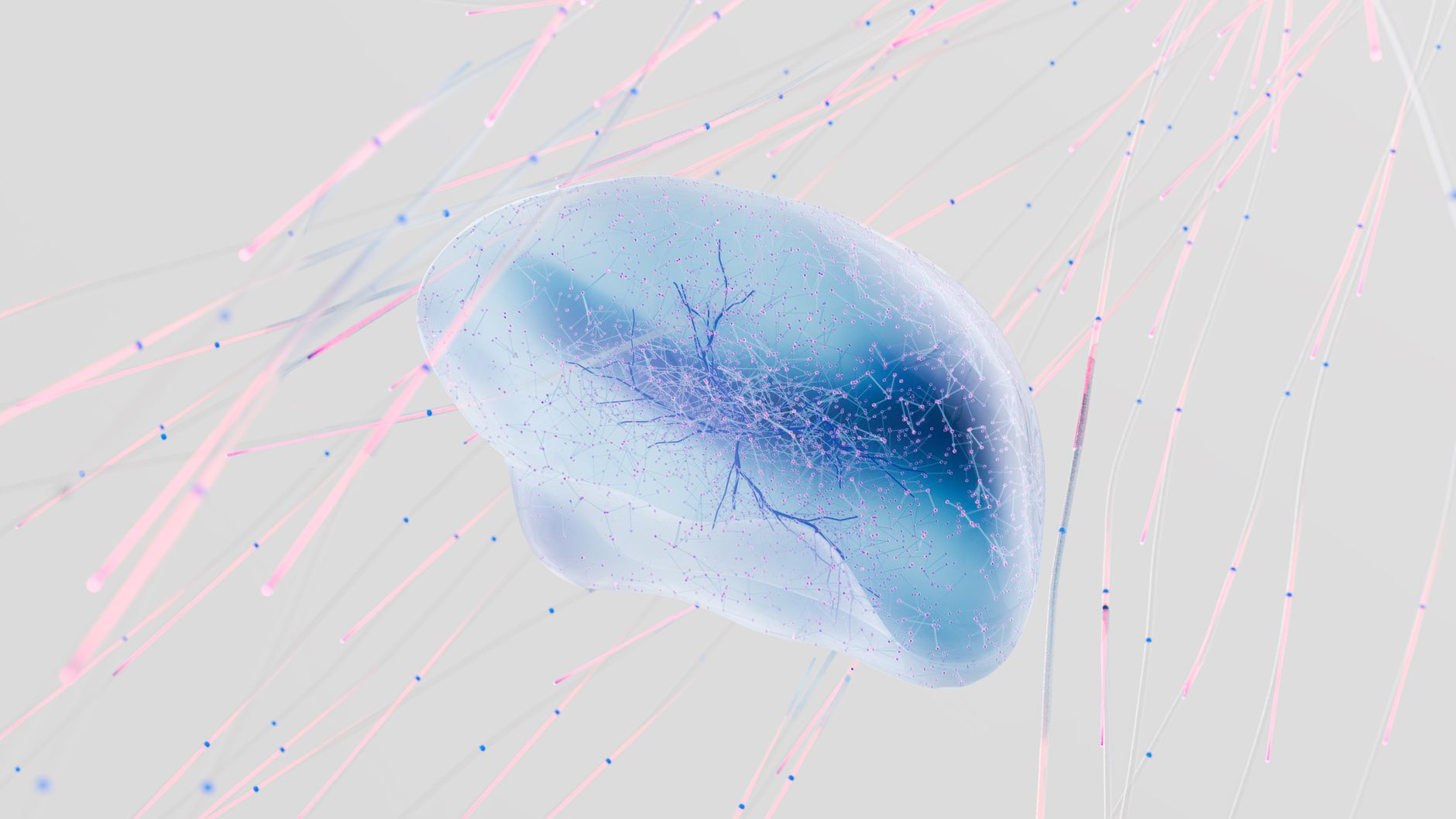
The prefrontal cortex gets thicker. The amygdala shrinks. These are not metaphors for feeling calmer, they are measurable, structural changes documented in MRI scans of long-term meditators, and a growing stack of peer-reviewed research is forcing neuroscientists to take seriously what practitioners have been doing for years.
Mindfulness sits squarely in the conversation about non-pharmaceutical ways to regulate the body's chemical environment. Research has found consistent reductions in cortisol levels among participants who completed an eight-week mindfulness-based stress reduction programme, known as MBSR, even when controlling for sleep quality and exercise habits.
De Pijp has never been short of places to explore this. Several local studios offer MBSR-certified courses. A secular Monday-evening sit specifically designed around the neuroscience literature pairs guided sessions with readings from researchers.
What is actually happening inside the skull
The mechanism is more specific than a vague sense of relaxation. Repeated mindfulness practice appears to strengthen connectivity between the prefrontal cortex, the region handling executive function and emotional regulation, and the anterior cingulate cortex, which monitors conflict and error. At the same time, the default mode network, the mental chatter system that fires when the mind wanders, becomes easier to interrupt. A landmark study found that eight weeks of MBSR produced measurable increases in grey matter density in the hippocampus, the posterior cingulate cortex, and the cerebellum. Participants averaged 27 minutes of daily practice.
That 27-minute figure matters because it is achievable. Neuroscientists are not describing outcomes from monks who have logged 10,000 hours of retreat time. These are office workers and parents who meditated roughly as long as a short walk. The brain's plasticity, its capacity to remodel itself in response to repeated activity, is the mechanism, and the threshold for triggering it appears lower than most people assume.
Getting started without the mysticism
For De Pijp residents curious about the evidence but wary of incense and Sanskrit, several local options strip the practice down to its cognitive mechanics. A nonprofit offers a free four-session introduction every quarter. Participants are handed a workbook drawn from the Oxford Mindfulness Centre's materials and spend most of the time discussing the research, not sitting in silence.
The practical entry point most researchers recommend is a body-scan practice of 10 to 15 minutes daily for at least four consecutive weeks before expecting any neurological shift. Apps can provide structure, though neither replaces instruction from a trained facilitator, something worth seeking out through one of the neighbourhood's established programmes if anxiety or trauma is part of the picture. A local GP or psychologist is the right first call for anyone using mindfulness to manage a clinical condition.
The science does not promise enlightenment. It promises a measurable, dose-dependent change in how the brain handles stress, distraction and emotional reactivity. For a neighbourhood that takes its wellness seriously, that might be enough.