property
Rate Relief on the Horizon Is Already Reshaping the Jordaan Buyer Pool
With the European Central Bank signalling further cuts, would-be purchasers along the Prinsengracht and Bloemgracht are recalculating their budgets, and moving faster than they have in two years.
How we reported this
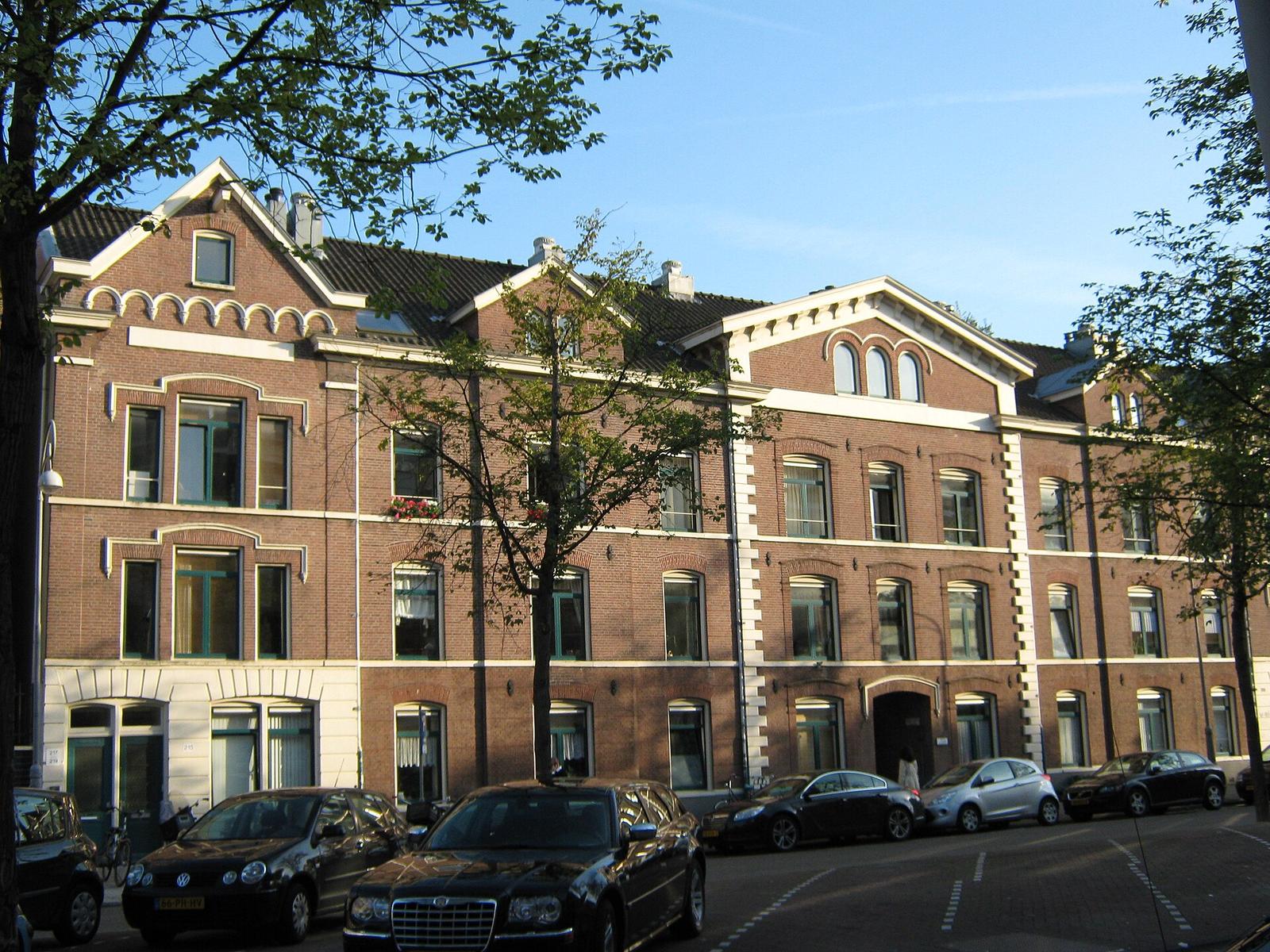
Buyers are back. Not in the frenzied, overbid-by-30-percent style of 2021, but in a quieter, more deliberate wave that brokers active in the Jordaan say has been building since late spring. The catalyst is straightforward: growing market confidence that the European Central Bank will trim its deposit rate at least once more before December 2026, pushing mortgage rates in the Netherlands below the 3.5 percent threshold that many households have been waiting for.
That expectation is doing something rates themselves have not yet fully done, it is changing behaviour now. Viewings on Elandsgracht and along the northern Jordaan canal belt rose sharply in May and June, according to listing data tracked by NVM, the Dutch association of real estate agents. Nationally, NVM recorded a 14 percent year-on-year increase in transactions in the second quarter of 2026, with Amsterdam inner-city districts, including the Jordaan, outperforming that average.
The Wait-and-See Crowd Is Giving Up on Waiting
For roughly eighteen months, a cohort of prospective buyers sat on the sidelines, pre-approved, solvent, but unconvinced that the interest rate peak had passed. That calculation has shifted. Mortgage advisers at De Hypotheekshop's Haarlemmerstraat branch have reported a notable uptick in new applications since April, with clients locking in ten-year fixed deals at rates hovering just above 3.6 percent, down from the 4.2 percent ceiling hit in the autumn of 2023.
The psychology matters as much as the arithmetic. A buyer who believes rates will fall another quarter-point in September may still choose to act in July, reasoning that prices in the Jordaan will rise faster than any mortgage saving they might capture by waiting. On the Bloemgracht, a 78-square-metre, two-bedroom apartment listed at €695,000 in early June attracted seven bids within the first viewing weekend, a level of competition not seen on that stretch since mid-2022. The property sold above asking price, though the margin was not disclosed.
Eerste Looiersdwarsstraat and Tweede Tuindwarsstraat, both firmly inside the Jordaan's premium residential core, have seen average asking prices hold above €8,500 per square metre through the first half of 2026, according to figures compiled by Funda, the Netherlands' main property portal. That number has moved barely two percent in either direction over the past twelve months, a form of stubborn stability that buyers who missed the post-pandemic correction now read as a signal that the floor is in.
What Sellers and Buyers Should Do Before September
The practical implications differ depending on which side of the negotiating table you occupy. Sellers in the Jordaan who listed cautiously in 2025 and saw tepid interest are finding that refreshed listings, same property, marginally adjusted price, new photographs, are generating genuine competition in July 2026. The Westerpark-adjacent fringe of the Jordaan, around Haarlemmer Houttuinen and the northern end of Willemsstraat, has been particularly active, partly because buyers priced out of the canal belt proper are willing to stretch slightly further.
Buyers face a narrower window than they may realise. If the ECB does cut in September and mortgage providers respond within weeks, the buyers currently sitting out are likely to enter the market simultaneously, compressing supply further. The Jordaan's housing stock is structurally limited, the neighbourhood's protected cityscape status under Amsterdam's bestemmingsplan rules out new construction of any scale, so additional demand lands on the same finite pool of canal houses, ground-floor flats, and upper-storey apartments.
For anyone with financing in place, the practical advice from brokers at offices including Makelaarsland and local independent agencies along Rozengracht is consistent: get your mortgage offer formalised now, before any September announcement resets the competitive field. A pre-approved buyer who can act within a week of a viewing remains the strongest offer in a market where sellers still have enough leverage to choose on certainty, not just price.
The Jordaan has always rewarded those who read momentum early. Right now, the momentum is building quietly, in mortgage broker waiting rooms, in second viewings booked within 48 hours, and in asking prices that are holding rather than retreating. That is not a boom. It is a market that has made up its mind.
This article is general information only and is not personal financial or investment advice. Consider your own circumstances and seek licensed professional advice before making financial decisions.