property
Jordaan 2026 vs 2021: A Boom Echo With a Different Tempo
Five years on from the frenzy that redrew Amsterdam's most coveted neighbourhood, the Jordaan market is running hot again, but the dynamics look nothing like last time.
How we reported this
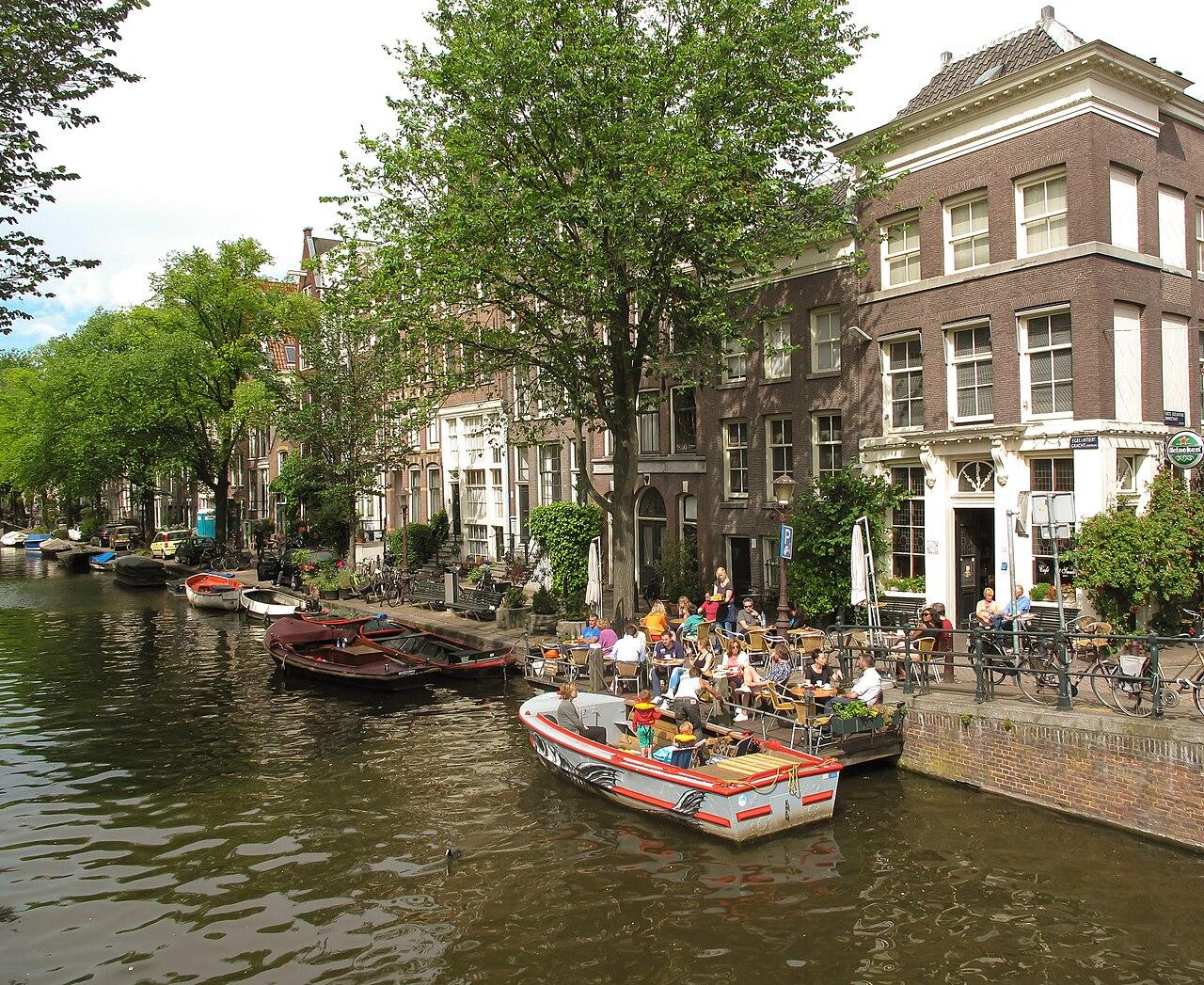
Asking prices on Jordaan canal houses have climbed back above €1.1 million on average this summer, according to listings tracked across Funda and NVM-registered brokers, putting the neighbourhood within striking distance of the record highs registered during the 2021 boom cycle. The gap is closing fast, and for buyers who sat out the last peak, the question is whether this is 2021 déjà vu or something structurally different.
The comparison matters because 2021 was a singular event. Interest rates were near zero, the pandemic had compressed buyer demand into a narrow window, and overbidding on the Westerstraat and Elandsgracht corridors regularly hit 20 to 30 percent above asking. That era produced distortions, overextended buyers, institutional investors pivoting to short-let portfolios, that regulators and the municipality of Amsterdam spent the following three years trying to unwind. Understanding what is the same and what has changed is essential for anyone moving in this market right now.
Where the Market Stands on the Ground
Walk along the Bloemgracht or duck into one of the side streets off the Rozengracht and the physical signals are familiar: handwritten viewing sign-up sheets at broker windows, properties listed and gone within a week, neighbourhood cafés buzzing with renovation contractors. De Jordaan Makelaars, one of the longer-established local agencies with an office near the Noordermarkt, has reported viewing queues returning to levels not seen since early 2021. The Noordermarkt itself, the Saturday organic market that functions as an informal barometer of neighbourhood confidence, has been drawing record vendor numbers this season.
But there are two critical structural differences from 2021. First, mortgage rates are no longer near-zero. Dutch five-year fixed rates currently sit in the 3.8 to 4.2 percent range, which has trimmed the pool of cash-comfortable buyers and made overbidding more disciplined. Second, the municipality's 2022 purchase protection (opkoopbescherming) rule, which restricts rental of newly bought homes valued under a set threshold in designated zones including much of the Jordaan, has changed the investor calculus. Properties are competing for a narrower slice of genuinely owner-occupying buyers rather than a hybrid pool of landlords, Airbnb operators and speculators.
The Numbers That Reveal the Difference
In the first quarter of 2021, average transaction times for Jordaan properties under €900,000 were running below nine days from listing to accepted offer, a figure widely cited by NVM at the time. Current NVM data for the broader Amsterdam-West postal districts puts median sale times at around 14 days, still fast by any historical standard, but meaningfully slower. The overbidding percentages have compressed too. Where 2021 saw routine bids of 125 percent of asking on ground-floor appartementen near the Elandsstraat, brokers active in the area describe current overbids more typically landing in the 105 to 112 percent range.
The €1.1 million average asking price for a Jordaan canal house is not dramatically different from the 2021 peak in nominal terms, but in real terms, adjusted for Dutch CPI inflation of roughly 15 percent cumulatively since 2021, buyers are actually accessing slightly softer prices than the boom's apex. That nuance is lost on many incoming buyers, particularly those relocating from London or Zürich where comparable inner-city stock has moved sharply upward in the same period.
For sellers, the practical implication is clear: the premium on well-prepared, structurally sound properties with updated energy labels remains substantial. Amsterdam's mandatory energy labelling rules have given Jordaan's notoriously older canal-house stock an uneven profile, and homes with an E or F label are selling at measurable discounts even in this strong market, sometimes 8 to 12 percent below equivalent properties with a C or higher rating.
For buyers, the lesson of 2021, that waiting for a correction that never came cost many households their entry point, is still raw. The current market is not a bubble replay, but it is competitive. Getting financing confirmed, understanding opkoopbescherming implications on any property under consideration, and moving decisively on a first viewing are not optional extras. In the Jordaan in July 2026, they are table stakes.
This article is general information only and is not personal financial or investment advice. Consider your own circumstances and seek licensed professional advice before making financial decisions.