news
De Pijp Car-Free Shift in Frans Halbuurt Puts Zoning Choices in Focus
Amsterdam's adopted 2021 zoning plan and the 2018 metro line set the stage for upcoming decisions on green space and public transport links.
How we reported this
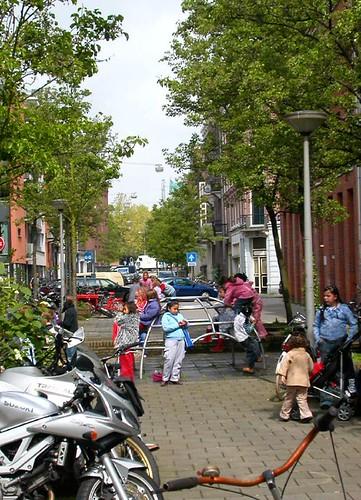
Amsterdam has already turned car parking spaces in the Frans Halbuurt section of De Pijp into green infrastructure and bike parking zones under a plan to make the area fully car-free by 2026. City records show this conversion forms part of broader efforts to ease pressure on public space from tourism in Oude Pijp, where parking nuisance, waste and hospitality overload have been documented.
Zoning rules set the framework
The Bestemmingsplan De Pijp 2018 Tweede Herziening, officially adopted by the Amsterdam City Council on October 7, 2021 and made digitally accessible on October 20, 2021, supplies the legal basis for these changes. The plan directly targets rising demands on streets and squares from visitor numbers, guiding how new green zones replace former parking areas in neighbourhoods such as Frans Halbuurt.
Metro infrastructure already in place
The De Pijp metro station, a core part of the Noord/Zuidlijn that opened in July 2018 after 40 years of planning and €3.1 billion in costs, provides an existing public transport anchor. Dutch government records list a separate €4 billion national allocation for public transport upgrades that emphasise better connections to new housing, which could shape how the station integrates with the expanding bike and pedestrian networks in De Pijp.
These elements together mean local authorities must decide how to sequence further curb conversions, allocate portions of the national transport budget to De Pijp links, and apply the 2021 zoning provisions to additional streets. Implementation will depend on council reviews of the existing plan and coordination with the €4 billion programme for reachability improvements.