lifestyle
Jordaan's Hidden 17th-Century Streets, Markets, and Local Cafes Revealed
Use details on the neighborhood's historic layout, cafes, markets and landmarks to shape a practical visit focused on its 17th-century character and daily rhythms.
How we reported this
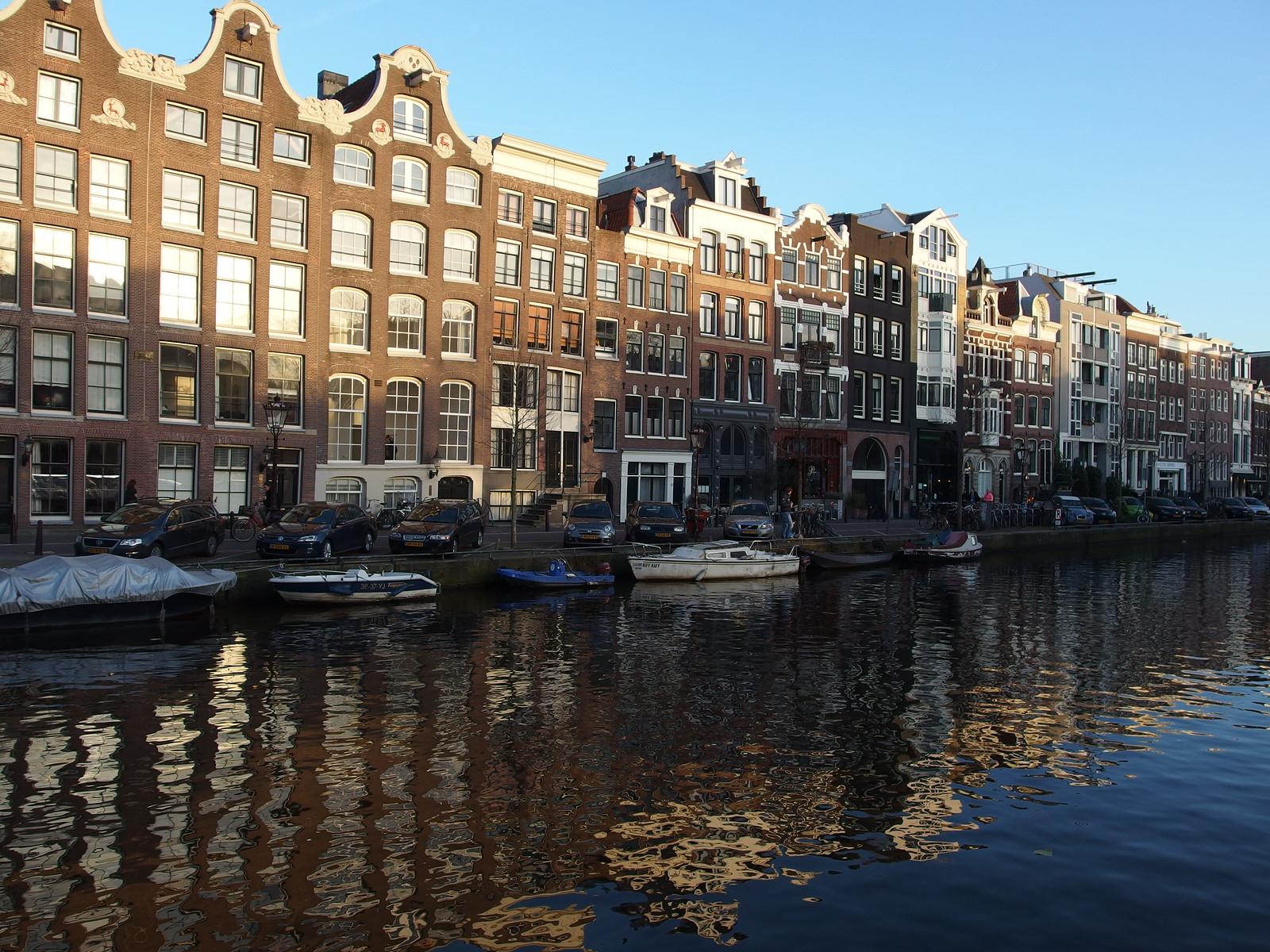
The Jordaan is a tightly grided, 17th-century neighborhood in Amsterdam-Centrum known for its narrow canals, leaning gabled houses, and hidden almshouse courtyards called hofjes. Visitors can plan time around these features by walking the canals first to see the leaning gabled houses before entering any hofjes courtyards that remain open to the public.
Exploring the Historic Streets and Canals
Originally a crowded working-class district for artisans and immigrants built in the early 1600s, the area transformed into one of the Netherlands' most expensive and upscale residential areas through gentrification starting in the 1980s. A visit therefore benefits from starting early to observe the narrow canals and leaning houses before crowds build, then moving to the quieter interior blocks where the hofjes are located.
Visiting Traditional Brown Cafes
Local life centers on traditional brown cafes such as Cafe 't Smalle and Cafe Papeneiland. Plan stops at these spots during the day to experience the village-like community spirit that persists among a diverse mix of elderly locals, young professionals, creatives, and LGBTQ residents despite high property prices.
Attending Weekly Markets
Weekly markets provide another anchor for timing. The Saturday organic farmers' market at Noordermarkt runs from 9:00-16:00, while the Monday textile and vintage market takes place at Westerstraat. Scheduling a market visit on one of these days allows direct contact with the neighborhood's ongoing daily routines.
Discovering Cultural Landmarks
Major cultural highlights include the Anne Frank House, the Westerkerk tower, the Homomonument, and a high concentration of modern art galleries and independent boutiques. Visitors can combine a walk past the Westerkerk tower with time at the Homomonument and then browse nearby galleries to round out a single day without rushing between distant sites.
These elements together give a clear sequence for planning: begin with the canals and houses, pause at a brown cafe, align one day with a market, and finish at the listed cultural sites. The approach keeps the visit grounded in the neighborhood's established layout and routines rather than external schedules.