culture
Working-Class Immigrants Built De Pijp Into Amsterdam's Bohemian Hub
De Pijp's development from farmland into a neighborhood of narrow streets and diverse residents shows how its early inhabitants shaped the area that later drew artists.
How we reported this
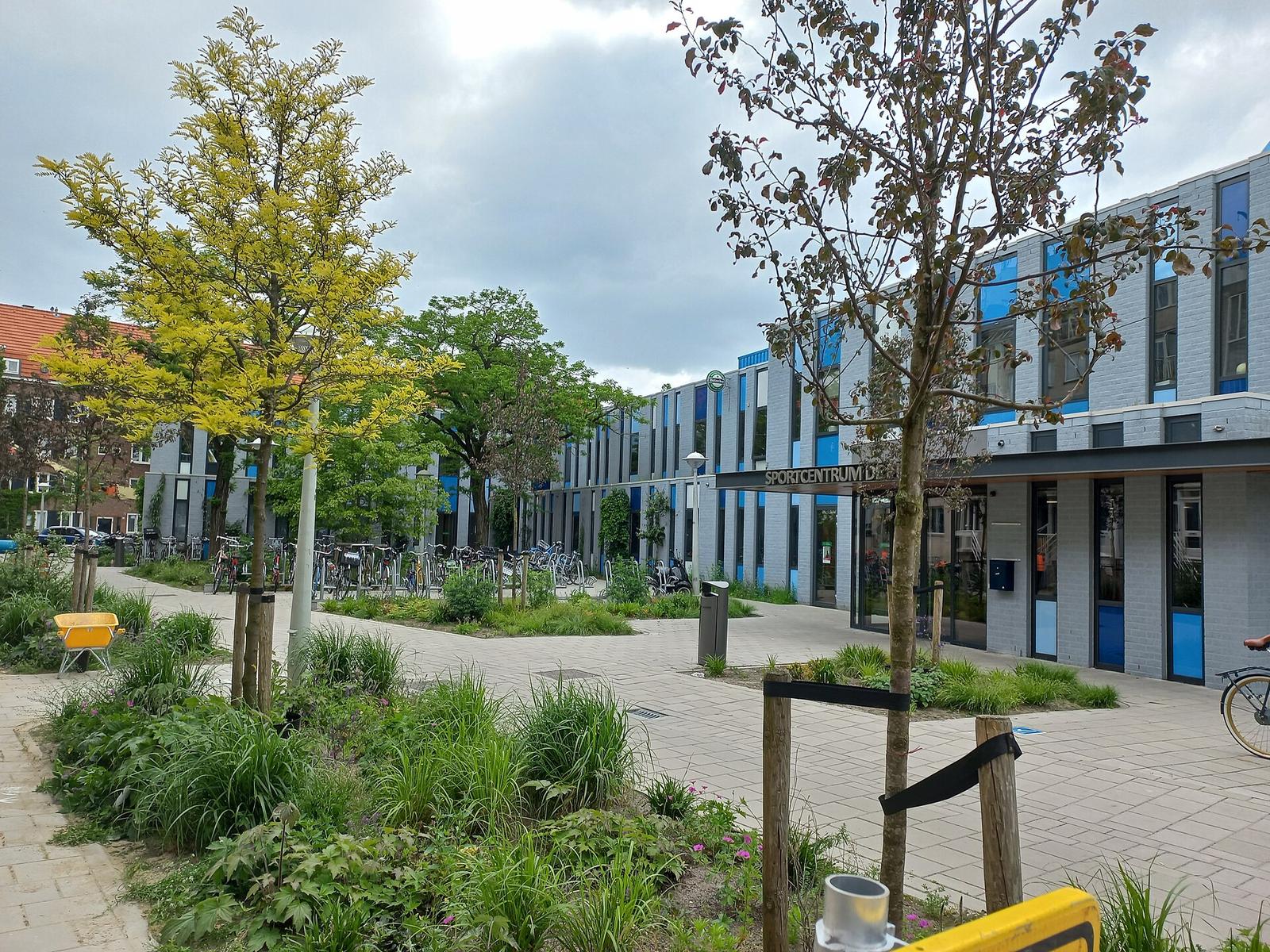
De Pijp began as farmland until 1870 before rapid construction turned it into housing for Amsterdam's expanding working class during the Industrial Revolution. This late-19th-century expansion addressed overpopulation in the Jordaan and established the neighborhood as the city's first major working-class housing project, later recognized as window number 33 on the Canon of Amsterdam.
Early Development and Reputation
The area received cheap housing built in what became known as Revolution Architecture. These structures earned the neighborhood a gritty reputation at first. Over time the same buildings attracted artists, leading some to call De Pijp Amsterdam's Quartier Latin. The name De Pijp itself most likely comes from the long, narrow streets packed tightly together like industrial pipes, though other explanations point to a gas pipeline or the way people moved through the area.
Neighborhood Sections and Lasting Features
De Pijp consists of three distinct sections: Oude Pijp, Nieuwe Pijp, and Diamantbuurt. Its identity rests on the Albert Cuyp Market, examples of Amsterdam School architecture, and a population that includes Moroccan, Turkish, and Surinamese residents. These elements together created the multicultural and bohemian atmosphere still associated with the neighborhood today.
Why These Origins Still Matter
The original purpose of easing pressure on the Jordaan by building affordable housing set the pattern for the area's later openness to newcomers and creative residents. The late-19th-century decisions about street layout and building style continue to define daily life in De Pijp, from the tight blocks that give the neighborhood its name to the mix of cultures that followed the first working-class families.
Residents and visitors can explore these layers by walking the streets of Oude Pijp and Nieuwe Pijp or visiting the Albert Cuyp Market, where the neighborhood's history remains visible in both architecture and community life. The Canon of Amsterdam listing underscores how this working-class expansion fits into the larger story of the city without requiring any new construction or events.
References Sourced but Not Limited to:
- amsterdamian.com · A day in de pijp neighbourhood amsterdam tips by a local
- iamsterdam.com · Then and now
- cultureofpeace.nl · History de pijp rivierenbuurt
- en.wikipedia.org · De Pijp
- amsterdamtourism.org · De pijp amsterdam guide
- krib.nl · History
- withlocals.com · De pijp
- amsterdamtourism.net · 1900 de pijp
- whatsupwithamsterdam.com · De pijp
- fr.wikipedia.org · De Pijp